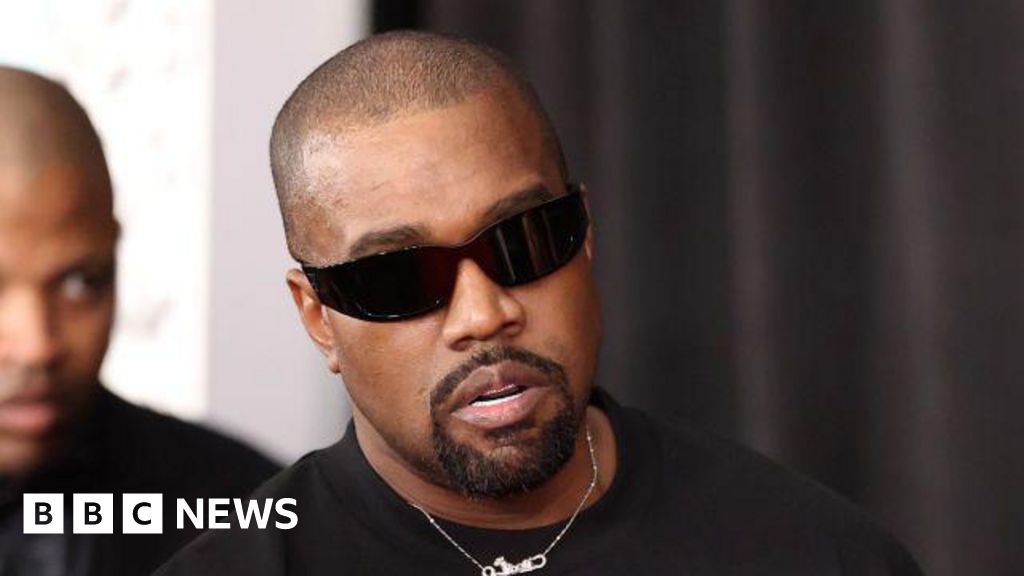
The highly anticipated announcement of Kanye West, now known as Ye, headlining London's Wireless Festival has ignited a firestorm of discussion across the U.K. and beyond. Eleven years after his last appearance at the iconic event, and nearly a decade since his last major U.K. performance at Glastonbury, Ye's three-night return promises a journey through his extensive discography. However, this comeback is far from a simple celebration of music; it's a complex tapestry woven with threads of artistic anticipation, deep-seated controversy, and the ongoing debate surrounding accountability for past actions.
The news, which broke on Tuesday, March 31, was met with immediate and vocal reactions, highlighting the enduring impact of Ye's controversial statements and widely condemned antisemitic outbursts. Despite his subsequent apologies, the memory of those remarks casts a long shadow over his return to the global stage, prompting London's political and communal leaders to weigh in on the implications of his presence.
The Return of Ye: A Decade in the Making (and Breaking)
For fans of the groundbreaking artist, the prospect of Ye gracing the Wireless Festival stage at Finsbury Park from July 10 to 12 is undeniably electrifying. Announced as the headliner for all three nights, his performance is set to be an extraordinary chapter in Wireless's story, according to festival organizers. This marks a significant moment for Ye, following the release of his twelfth studio album, Bully, just days before the festival announcement. The album itself is a milestone, representing his first LP in four years, signaling a renewed creative output after a period marked more by headlines than harmonies.
Ye's last major U.K. performance was in 2015, a memorable and often talked-about headline slot at Glastonbury. His return to Wireless, therefore, isn't just another gig; it's a symbolic re-engagement with his considerable U.K. fanbase and a test of public reception. Known for his captivating live shows and unparalleled stage presence, many are eager to experience his iconic records live once more. However, the excitement is undeniably tempered by the profound discomfort some feel about the platform being extended to an artist whose recent history is marred by offensive rhetoric.
The Weight of Recent History: Apologies and Repercussions
The journey back to the main stage has been fraught with challenges for Ye. Over the past few years, he faced widespread criticism for a series of antisemitic comments and hateful remarks that led to significant personal and professional consequences. These actions alienated many fans, industry peers, and collaborators, and resulted in the termination of lucrative partnerships. While Ye has publicly apologized for his statements, the sincerity and efficacy of these apologies remain a point of contention for many, particularly within the Jewish community and broader anti-hate organizations.
His upcoming Wireless appearance forces a crucial conversation: what constitutes true accountability, and how should the entertainment industry balance artistic freedom with social responsibility? For an artist of Ye's stature, every public move is scrutinized, and his return to such a prominent festival inevitably brings these difficult questions to the forefront. This isn't just about music; it's about the cultural landscape and the messages amplified by major events.
London's Reaction: Uproar and Accountability
The announcement of Ye's Wireless Festival headlining slot was immediately met with a fervent uproar, sparking intense debate across social media, news outlets, and community forums. The controversy quickly escalated beyond casual conversation, drawing official condemnations and statements from influential figures and organizations.
One of the most prominent voices to speak out was London Mayor Sadiq Khan. A spokesperson for the Mayor conveyed a clear and unequivocal stance to Rolling Stone, stating, "We are clear that the past comments and actions of this artist are offensive and wrong, and are simply not reflective of London’s values." This statement firmly distanced City Hall from the decision-making process, clarifying that the choice to book Ye was "a decision taken by the festival organizers and not one that City Hall is involved in." Khan's office reiterated the importance of upholding London's diverse and inclusive values, sending a strong message about the unacceptability of hate speech, regardless of the perpetrator's celebrity status.
Further amplifying the dissent, the Jewish Leadership Council issued a powerful statement, calling the festival's announcement "deeply irresponsible." This sentiment reflects a broader concern within the Jewish community and beyond, highlighting the pain and fear caused by Ye's past remarks. For many, providing such a prominent platform to an artist with a history of antisemitic rhetoric feels like a betrayal of communal safety and respect.
The Festival's Stance and the Lingering Questions
In the immediate aftermath of the announcement, representatives for Wireless Festival did not return requests for comment, leaving many questions unanswered about their decision-making process and their response to the public outcry. This silence, for some, only exacerbated concerns, suggesting a lack of transparency or a failure to adequately address the ethical dimensions of their booking choice.
The situation at Wireless Festival underscores a recurring challenge in the entertainment world: how to navigate the complex relationship between an artist's creative output and their personal conduct. Is it possible, or even desirable, to separate the art from the artist, especially when that conduct involves widely condemned hate speech? For many, the answer is a resounding no, arguing that platforms come with responsibilities, and that providing a stage to individuals who have propagated harmful ideologies can normalize or even implicitly endorse such views. This event promises to be a flashpoint in the ongoing discussion about celebrity accountability and the role of cultural institutions in fostering an inclusive society.
Beyond the Headlines: A Look at Ye's Past Wireless Statements
While the current controversy surrounding Ye's Wireless return centers on his recent actions, it's worth revisiting a past appearance at the festival that also stirred significant discussion – albeit for different reasons. At an earlier Wireless Festival on July 4th, Ye delivered a nearly 15-minute-long, impassioned speech that captivated and, at times, confounded the audience. Spontaneously springing forth from a freestyle on his track "Runaway," the monologue touched on a wide array of topics, from the media and his celebrity status to his ongoing frustrations with the fashion industry.
During this memorable address, Ye implied that he faced discrimination in meetings with major fashion companies, suggesting that his race or celebrity status led to him being treated "like you’re stupid or something." While he explicitly stated he wouldn't "call no names" or "diss" brands like Nike, Louis Vuitton, or the Gucci group, his critique was pointed. He articulated a perceived barrier for Black creatives and celebrities in the upper echelons of high fashion, noting that while exceptions like Pharrell's glasses or his own shoes were allowed, there was a clear limit. "They say, 'No no no n****r. Not no more. That’s too much... Stay in your place. Sit in the front of that show and wear this jacket I made you... Don’t embarrass yourself trying to chase your dreams.'" This powerful segment highlighted his ongoing battle against perceived systemic racism and creative confinement within elite industries. For a deeper dive into this impactful speech, read our related article: Kanye West's Wireless Speech: Racism, Fashion, & World Change.
The speech concluded on a characteristically optimistic, albeit defiant, note. Ye expressed a simple yet ambitious desire: "I just want to be awesome, and I want to hang around my awesome friends and change the fucking world, and that’s exactly what I plan to do." This encapsulates a core aspect of Ye's public persona – a blend of ambition, perceived victimhood, and an unwavering belief in his own transformative power. This historical context provides valuable insight into the complex figure returning to the Wireless stage, reminding us that controversy and strong opinions have long been part of the Wireless Festival: Ye's Controversial UK Return After a Decade narrative.
Navigating the Storm: Implications for Festival Culture and Artist Responsibility
Ye's return to Wireless Festival transcends a typical concert announcement; it's a significant cultural moment that poses critical questions for the music industry, festival organizers, and audiences alike. The immediate uproar highlights a growing expectation for accountability from public figures and a demand for cultural institutions to uphold ethical standards.
The Ethical Tightrope for Festival Organizers
For festival organizers, booking controversial artists involves walking an ethical tightrope. While the commercial draw of a global superstar like Ye is undeniable, the potential for backlash and the implications of providing a platform to individuals with a history of hate speech are profound. This situation prompts a deeper look at:
- Due Diligence: What level of vetting should organizers undertake beyond an artist's musical prowess?
- Values Alignment: How do festival bookings reflect, or contradict, the stated values of the event and its audience?
- Community Impact: What responsibility do organizers have to the broader community, particularly those directly affected by an artist's past offensive remarks?
The decision to proceed with Ye's performance, despite widespread criticism, suggests a prioritization of artistic and commercial considerations, which may have long-term repercussions on Wireless Festival's reputation and relationship with its attendees and the city of London.
Audience Engagement in a Divisive Landscape
For fans and concert-goers, Ye's Wireless appearance presents a personal dilemma. How does one engage with the work of an artist whose personal actions have caused significant harm? There are no easy answers, but some considerations include:
- Separating Art from Artist: While some argue for the ability to appreciate the music independently, others find it impossible to ignore the artist's character. Each individual must decide where their personal boundaries lie.
- Informed Consumption: Understanding the context of the controversy, including the nature of Ye's apologies and their reception, allows for more thoughtful engagement.
- Supporting Alternatives: Those deeply uncomfortable may choose to boycott the performance and support other artists or festivals that align more closely with their values.
This event serves as a stark reminder that even in the realm of entertainment, choices have ethical dimensions, and audience engagement can be a powerful form of expression. As the date approaches, London and the world will be watching to see how this complex chapter unfolds, impacting not just Ye's career, but the broader conversation around responsibility, forgiveness, and the power of platforms.
Ye's return to the Wireless Festival stage in London is undoubtedly one of the most talked-about music events of the year, a convergence of artistic anticipation and profound controversy. From the electric excitement of fans eager to witness his iconic performances to the strong condemnations from public figures like Mayor Sadiq Khan and the Jewish Leadership Council, the narrative surrounding Ye's comeback is as complex and multi-layered as the artist himself. This event forces a critical examination of artistic freedom, accountability for past actions, and the ethical responsibilities of those who provide platforms in the public sphere. As the July dates loom, Wireless Festival and Ye will undoubtedly be under an intense spotlight, marking not just a musical return, but a significant cultural barometer for how society grapples with talent, transgression, and the possibility of redemption.